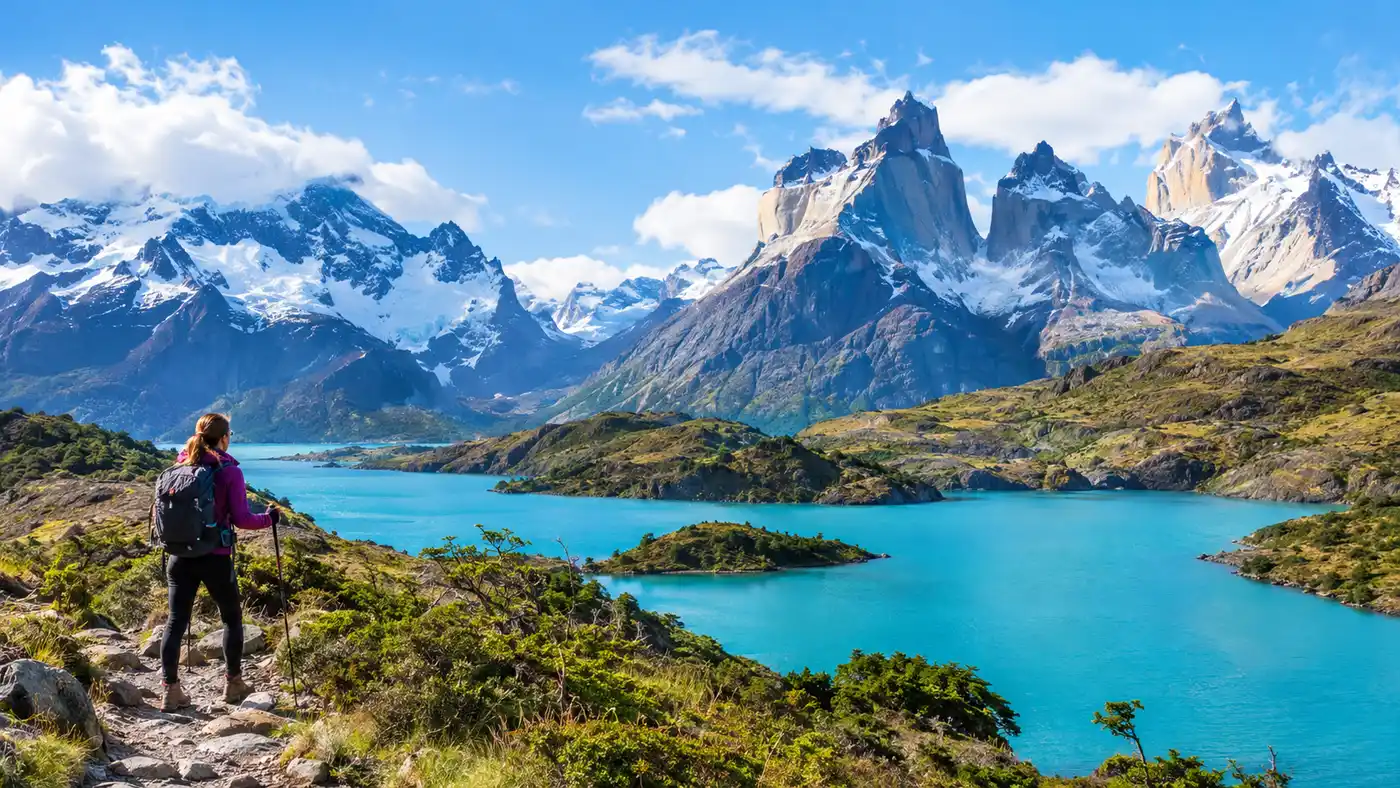
Complete Guide to Visiting Torres del Paine National Park
I watched a guanaco spit directly into the wind at Laguna Amarga, and thirty seconds later the gale blew it right back across the animal's flank. That was my welcome to southern Patagonia. If you want to visit torres del paine, you need to abandon any expectation of gentle weather or neat predictability. The granite spires jut 2,500 meters into sky that shifts from bruised purple rain clouds to blinding blue within forty minutes. It is wild, raw, and completely disorienting in the best possible way.
Planning a torres del paine national park trip feels intimidating from a desk halfway around the world. Between CONAF ticket portals, catamaran schedules across Lago Pehoé, and booking refugios through two competing private companies, people get overwhelmed fast. This guide walks you through the practical realities of discovering torres del paine, whether you want to camp for eight nights on a backcountry loop or sip Carménère at a riverside lodge while watching the sunset hit Los Cuernos.
Book your torres del paine tours experience:
Getting to Torre del Paine National Park Chile
Most international flights arrive in Santiago before continuing south on a three-and-a-half-hour leg to Punta Arenas. Some summer flights touch down directly at the smaller airport in Puerto Natales, which cuts your ground transit time in half. If you land in Punta Arenas, you will board a bus for the three-hour ride north to Puerto Natales across yellow, windswept pampa dotted with sheep ranches. Puerto Natales serves as the launching pad for paine national park. The town smells of woodsmoke, tidal mud, and diesel exhaust, and almost every shop along the main street rents trekking poles or sells dried fruit by the kilo.
From the Puerto Natales bus terminal, morning coaches leave around 7:00 AM and 7:15 AM for the two-hour ride to the park gates. The ticket costs around 12,000 Chilean pesos ($13) each way. You have three main entry points to choose from depending on your itinerary: Laguna Amarga in the east, Pudeto in the center, and Serrano in the south. Laguna Amarga serves hikers heading straight to the Central sector or the Base of the Towers trail. If you are starting your trek at Paine Grande, stay on the bus until Pudeto, where the catamaran waits to ferry hikers across the milky turquoise water.
Note: Chilean customs agents at border points and airports will confiscate fresh fruit, trail mix with raw seeds, and loose cheese. Buy your trail groceries at the Unimarc supermarket in Puerto Natales instead of trying to carry them from abroad.
A few travelers cross overland from El Calafate in Argentina. The border crossing at Paso Río Don Guillermo takes about an hour on quiet mornings, but tour buses can back up lines for three hours during January. If you take this route, ensure your passport gets stamped on both sides of the border before your bus rolls away.
Best Times to Plan Your Torres del Paine Trip and What It Costs
Patagonian weather does whatever it wants, regardless of the calendar. Summer runs from December to February, bringing long daylight hours where twilight lingers until nearly 11:00 PM. The trails get busy, campsite space vanishes months ahead, and winds regularly exceed 60 miles per hour. Late autumn, around late March and early April, brings golden-red lenga forests, calm mornings, and far fewer boots on the trails.
Visiting chile parks torres del paine requires a pre-purchased digital pass through the official ticket portal before you board the bus in Puerto Natales. Rangers will scan the QR code on your phone at the entrance station. You cannot buy a pass with cash at the gate, so download the PDF file to your phone while you still have hotel Wi-Fi.
| Season | Months | Daylight & Conditions | Crowd Level | CONAF Entry Fee (Foreigner) |
|---|---|---|---|---|
| Peak Summer | Dec - Feb | 16-17 hours; high winds, warm days (up to 18°C) | Very high | $49 USD (more than 3 days) |
| Shoulder Season | Oct - Nov / Mar - Apr | 12-14 hours; crisp air, fall foliage in late March | Moderate | $49 USD (more than 3 days) |
| Winter | May - Sep | 7-9 hours; snow, sub-zero nights, closed sectors | Minimal | $35 USD (1-3 days) |
Daily budgets swing wildly depending on your comfort preferences. Pitching your own tent at official campsites runs about $11 to $25 per night per person. Staying in dorm bunks at the mountain refugios with three hot meals included jumps quickly to $140 or even $220 per night. If you stay at an all-inclusive eco-lodge inside the park boundaries, rates easily top $900 per day with guided excursions.
Top Attractions in Torres del Paine You Cannot Miss
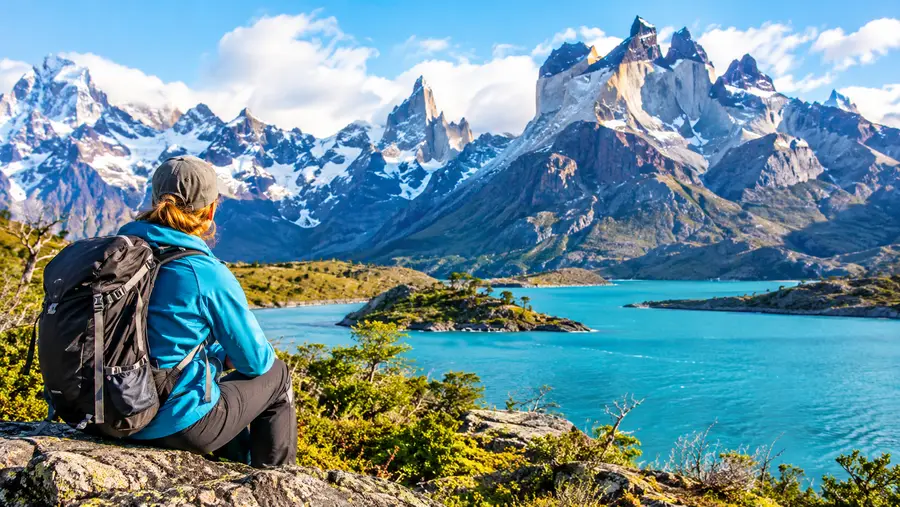
The geography of torres national park chile looks like someone dropped jagged pieces of charcoal onto emerald plains. Glaciers grind down from the Southern Patagonian Ice Field, feeding ribbon waterfalls and limestone-heavy lakes that glow pale neon green under sunlight. You do not have to be a mountain athlete to see the best scenery, though walking definitely gets you closer to the dramatic cliff walls.
- Mirador Las Torres: The postcard view of three pale granite towers rising above a moraine bowl filled with grey-green water. The final kilometer clambers up loose granite boulders that will test your knees.
- Mirador Británico: Located deep within the French Valley, this spot drops you into an amphitheater of black slate horns and hanging ice shelves that shed loud avalanches across the valley floor.
- Glaciar Grey: A massive wall of cobalt ice terminating in Lago Grey. You can view it from the rocky peninsula near the refugio or paddle sea kayaks alongside house-sized bergs.
- Salto Grande: A violent waterfall draining Lake Nordenskjöld into Lake Pehoé. The roar hits your chest before you round the gravel turnoff on the short access trail.
- Lago Nordenskjöld Lookouts: Pullouts along the main gravel park road offer sweeping views across open water toward the sheer eastern face of Los Cuernos.
Wildlife spotting along the roadside often beats what you see on the deep trails. Condors glide on thermals above the cliffs, their ten-foot wingspans casting dark shadows across the yellow scrub. Small family herds of guanacos graze within three yards of passing pickup trucks, while southern crested caracaras stalk around picnic benches looking for loose cracker crumbs.
Book your torres del paine tours experience:
Trekking Routes in Parque Nacional Torres Paine
Most hikers head to torres del pain national park to tackle either the W Trek or the full O Circuit. The W spans roughly 76 kilometers, usually taking four or five days. It links the three main valleys of the Paine massif: the Ascencio Valley to the towers, the French Valley, and the Grey Glacier basin. You sleep at established huts or campsites each night, eliminating the need to carry heavy food stocks if you purchase meal packages in advance.
For a detailed breakdown of daily elevations, distances, and sector pacing, take a look at our Torres del Paine Hiking and Trekking Guide. It breaks down every single segment of the trail so you know what gear to strap onto your back before leaving town.
If you have seven to nine days and want serious isolation, the O Circuit wraps around the remote backside of the mountain range. You cross the infamous John Gardner Pass at 1,200 meters, where gale-force wind sweeps straight off the ice field into your teeth. The route requires carrying full backcountry gear, though the views of the ice cap stretching to the western horizon make the blisters worthwhile. If handling bookings across two private concession companies sounds stressful, checking out Best Torres del Paine Trekking Tours and Guided Trips can save weeks of scheduling logistics.
Pro tip: Line the inside of your backpack with a heavy contractor trash bag before putting your sleeping bag and dry clothes inside. Standard backpack rain covers blow off in Patagonian wind, and wet wool makes for a miserable night in a mountain tent.
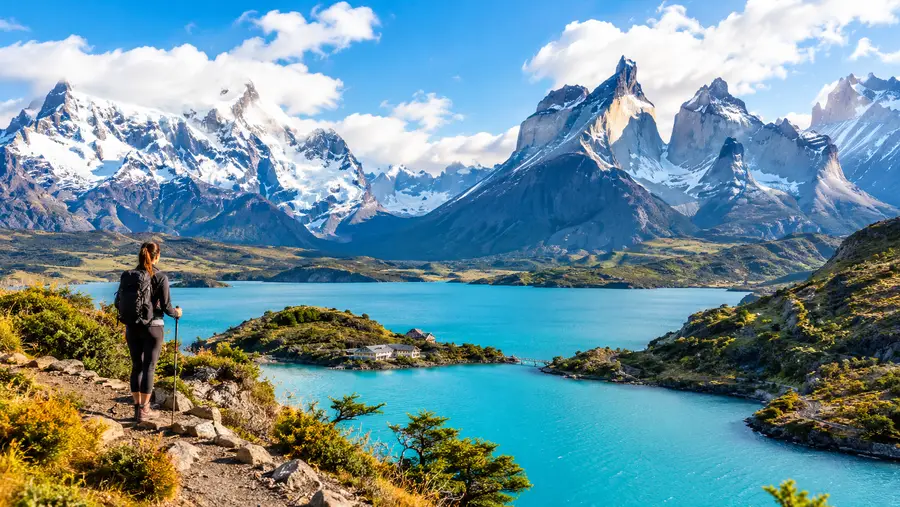
Day hikers also have strong alternatives. The hike from Pudeto to Mirador Cóndor climbs 250 vertical meters in about 45 minutes, rewarding you with panoramic views of Lake Pehoé and the jagged spine of the mountains. Mirador Ferrier, starting near the Lago Grey hotel, climbs steeply through twisted dwarf beech trees to deliver unmatched views of drifting icebergs and glacial lakes on clear afternoons.
Essential Torres del Paine National Park Travel Logistics
Booking camp space months ahead is non-negotiable. Chilean rangers strictly prohibit wild camping anywhere within national park torres del paine, and you will be escorted off the trail and fined if caught pitching a tent outside designated sectors. The campsites along the trekking circuits are operated by two separate companies: Las Torres Patagonia (formerly Fantástico Sur) on the eastern side, and Vertice Patagonia on the western and northern edges. You must reserve each night individually across both systems before CONAF lets you on the trails.
Pack for four seasons every single morning. Even on warm days, mountain storms gather quickly over the ice cap and blow through the valleys within an hour. Here are the core items you need on your packing list:
- Waterproof shell jacket: Look for three-layer Gore-Tex or equivalent fabric with pit zips and an adjustable storm hood that stays tight in heavy gusts.
- Sturdy trail footwear: High-top waterproof hiking boots with stiff shanks and deep tread protect your ankles on boulder fields and rocky descents.
- Merino base layers: Wool stays warm even when damp with sweat and does not hold foul odors after four straight days of hiking.
- Collapsible trekking poles: Essential for stability on wet downhill scree and crossing slippery wooden boardwalks along the marshes.
- Water storage: A simple 1-liter bottle is plenty. Glacial streams throughout the park flow clean and cold, making refills easy along the trail without filtration tablets.
Do not bring small gas stoves unless you plan to use them exclusively inside the enclosed communal cooking shelters at the campsites. Because catastrophic wildfires caused by careless tourists destroyed tens of thousands of hectares in 1985, 2005, and 2011, open flames of any kind are illegal along open trails. Rangers enforce this rule without leniency.
Frequently Asked Questions about visit torres del paine
Can you visit Torres del Paine without doing multi-day hiking?
Yes. You can take day tours from Puerto Natales by van, drive a rental car to roadside viewpoints, take the Lago Grey boat excursion to see the glacier face, or take short 40-minute walks to waterfalls and lookouts like Salto Grande and Mirador Cóndor.
How many days do I need for a complete Torres del Paine trip?
Four to five full days allows you to complete the popular W Trek or explore the park highlights at a comfortable pace with a rental car. If you plan to complete the full O Circuit, budget eight to ten days including transit from Puerto Natales.
Is the stream water in paine del torres safe to drink without boiling?
Water from fast-moving streams running down the mountain slopes away from campsites is exceptionally clean, pure glacial runoff and generally safe to drink without filtering. Avoid taking water from stagnant pools, marshes, or directly downstream from major refugio areas.
Do I need Chilean pesos inside the national park?
Yes, carry physical Chilean pesos for smaller incidental expenses. While main refugios and hotels accept credit cards, satellite connection terminals drop constantly during bad weather, and the Pudeto catamaran operator often requires cash payments on the dock.
Quick Reference
- Nearest airport: Puerto Natales (PNT) or Punta Arenas (PUQ)
- High season: December through February
- Park entrance fee: ~$49 USD for visits over three days
- Drinking water: Free and abundant in natural glacial streams
- Wild camping: Strictly forbidden everywhere in the park
Book your torres del paine tours experience:
Before You Go
There is a specific moment that stays with almost everyone who walks into this park. You will be trudging up a rocky trail through lenga trees, shoulders aching under your pack, cursing the sideways sleet pelting your face. Then the clouds rip apart like torn paper, sunlight strikes the wet orange granite of Los Cuernos, and the sheer scale of the place knocks the wind out of you. Torres del Paine national park patagonia chile is not an easy destination, and it does not cater to lazy schedules. Prepare your gear thoroughly, respect the park regulations, book your huts early, and leave plenty of room in your plans for Patagonia to show you who is really in charge.
Read more about torres del paine tours.